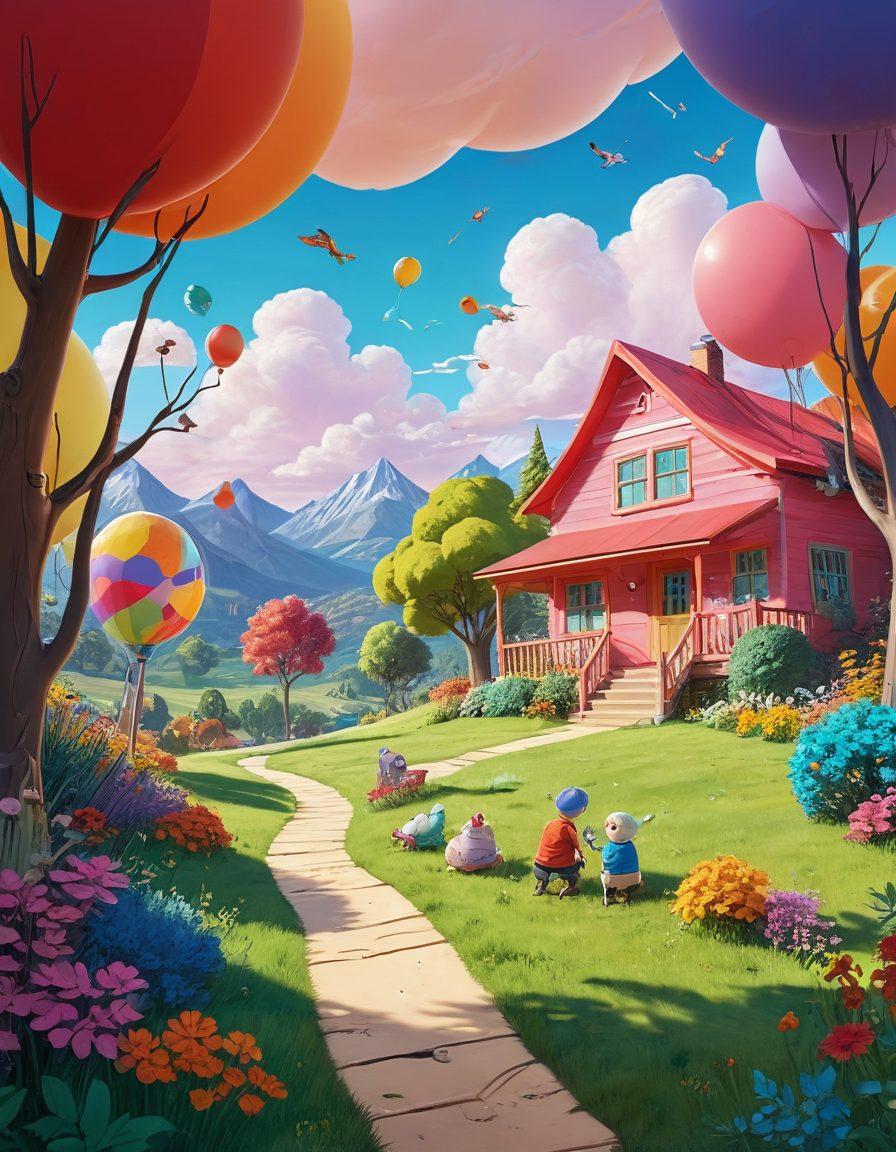
Whimsical Wonders: Exploring Affection and Humor in Animated Art and Comics
In a world that seems to rush by at a blistering pace, it's often the delightful doodles—those endearing animated characters and humorous sketches—that bring a much-needed pause to our busy lives. Have you ever caught yourself chuckling at a comic strip featuring an unlikely protagonist, perhaps a quirky cat or a bumbling detective? These heartwarming personages capture our adoration and affection, provoking laughter while simultaneously weaving tales of relatable experiences. They remind us of the lighthearted moments in life that deserve to be celebrated, forging connections through laughter and whimsy in the realm of animated art.
Think back to your childhood, where each Saturday morning was a treasure trove of animated wonders. How did it feel to watch your favorite cartoons? Characters with exaggerated expressions and hilariously relatable dilemmas unfolded, tickling our funny bones while teaching us life lessons that stick with us to this day. Whether it was the satirical commentary of a famous cartoon or the witty antics of beloved comic book heroes, these illustrations ignite joy and creative thought, rendering everyday struggles into delightful spectacles of amusement.
Animation art and comics are not merely forms of entertainment; they are a canvas for the human experience. Think about it: how many times have you encountered a specific comic strip that just perfectly encapsulates a feeling you thought only you understood? Each panel can evoke a deep sense of endearment, offering a reflection of our own lives through its humorous lens. The ability of comic books and animated shows to distill complicated emotions into digestible snippets of comedy and creativity is nothing short of magical. Perhaps that’s why we are so drawn to these charming characters, craving the comfort of their familiarity, even amidst life’s chaos.
Imagine a scenario where life's burdens become lighter with each laugh you share with friends over the latest comic. Is there a more satisfying sight than gathering around with loved ones, sharing funny comic strips, and reciting those witty one-liners? The art of parody in animated shows not only entertains but also allows us to engage in a shared culture of humor, bringing communities together in their appreciation for creativity. It’s a testament to how animated art can transcend language and borders, creating a global dialogue through laughter and affection that binds individuals together in delightful camaraderie.
As we navigate this digital age, where social media bombards us with endless stimuli, the charm of animated characters remains undiminished. They provide an invaluable touchstone, connecting us back to simpler, more whimsical times. Whether through comic books, animated television shows, or even social media parodies, each illustration is a vivid reminder of human creativity and the innate need for fun and amusement. So, the next time you find yourself laughing at a comic or a new animation, remember that these delightful doodles are more than just sketches; they are cherished icons of affection, reflecting our shared humanity and our undeniable desire to find joy in the everyday.
Laughing Through Lines: The Joy of Humor in Animated Narratives
When we think of animated artistry, we often envision vibrant colors, quirky characters, and captivating narratives, but what elevates animated art to a delightful experience? It’s the laughter and joy that comes from humor—those hilarious moments that resonate not just with our minds but also with our hearts. As we delve into the enchanting world of animated narratives, we discover how humor intertwines with affection, creating bonds with audiences through endearing stories and amusing portrayals of familiar experiences.
One might say that laughter is the universal language; it transcends borders and cultures, often bringing together a diverse array of audiences. When we encounter witty comic strips or comic books, we find ourselves immersed in a realm where protagonists spring to life as relatable cartoon characters, expertly crafted to evoke laughter and endearment. As we share a chuckle or two with our favorite animated figures, we feel a sense of connection and adoration, elaborating on the magic that humorous animations deliver. The art of comic storytelling captures the essence of human experience, illuminating life’s absurdities through satire and parody, which in turn fosters a sense of lightheartedness and amusement.
Consider the simple joy of watching a classic animated sketch where a hapless character finds themselves in one blunder after another. What makes us laugh isn’t just the absurdity; it’s the affection we feel for those lovable figures enduring the hilarity of life. For instance, think of the iconic cartoon characters that have become staples in our lives—characters who face challenges with a humorous twist, exuding a whimsical charm that makes them utterly unforgettable. It sparks the question: why do we find ourselves adoring these animated personages while simultaneously laughing at their predicaments? It speaks volumes about the storytelling craft within the creative arts, where character relatability is crucial in drawing audiences into the shared experience of humor.
Moreover, animated narratives have an innate ability to weave together different layers of comedy, often targeting multiple demographics through clever scripts and illustrative nuances. Whether it's slapstick humor that resonates with children or subtle sarcasm suited for adults, these animations utilize wit to keep audiences laughing. A well-placed comic strip or a lighthearted animation can turn a mundane day into a joyous occasion, reminding us of the fun that life can offer even in the face of adversity. There’s something truly heartwarming about laughing through animated narratives, knowing that we are united with others in our amusement.
In conclusion, the joy of humor in animated narratives is a remarkable fusion of affection and laughter. It serves not only as a form of entertainment but also as a conduit for human connection in a delightful, whimsical package. As we continue to explore the vast world of animation and comics, let us embrace the hilarity, cherish the moments of endearment, and acknowledge the sheer creativity that emerges from the sketches, bringing us joy in its most humorous form. So next time you watch an animated short or flip through those comic books, take a moment to relish the laughter, because at the end of the day, it’s all about sharing a good chuckle with those lovable characters that brighten our lives.
From Sketch to Screen: The Intersection of Affection and Amusement in Comics
Imagine flipping through the pages of your favorite comic book or laughing at a cleverly crafted animated short. In these moments of engagement, we often find ourselves in a world where affection meets amusement. From the affectionate gaze of a cartoon character to the witty banter exchanged between comic strip protagonists, the blend of humor and endearment is more than just a delightful experience; it is the very essence of what makes animated art and comics captivating. As we journey through this vibrant medium, let us explore how the intersection of affection and amusement has shaped the landscapes of animation and comic strips, creating a tapestry of whimsical wonder.
The magic of animation art lies in its ability to convey emotions swiftly, and perhaps no element captures this better than affectionate sketches of characters that resonate with audiences. Picture a clumsy protagonist stumbling through a scenario that evokes laughter, but whose warm-hearted spirit keeps you rooting for them. These personages occupy a unique space in our hearts where adoration flourishes alongside the comedy. Take, for instance, the beloved cartoon characters from classic animations who evoke nostalgic feelings every time they grace the screen. Isn't it fascinating how a simple whimsy can spark such affection?
When we indulge in animated narratives, we often encounter humorous moments intertwined with deep emotional connections. Comics, whether they are comic books or comic strips, have the unique ability to explore themes of love, friendship, and endearment through a comedic lens. They help us see the lighter side of life, inviting us to laugh at the absurdities we encounter daily. What could be more relatable than the antics of a family of cartoon characters tackling life with humor? Within their lighthearted escapades lies a reflection of our own experiences, reminding us that laughter is indeed a powerful antidote to life’s stressors.
But let's not overlook the clever use of satire and parody found in many comics and animations. It’s a brilliant art form that turns everyday situations on their head—highlighting human follies and societal quirks through a humorous filter. Take a moment to think about how the hilarity of a character exaggerating common struggles can invite us to reevaluate our own lives. This creative take not only entertains but also fosters connection and understanding, encouraging us all to laugh together amidst our imperfections. It's a beautiful reminder that affection can thrive even in humor that feels raw and real.
As we delve deeper into the realm of comic art, one may wonder: How can we harness the power of affection and amusement in our own creative pursuits? Embracing the attributes of whimsical illustrations, witty narratives, and animated charm can transform our approach to storytelling. Whether you’re sketching your own characters or crafting a narrative filled with comedic twists, infusing your work with affection and humor can create engaging pieces that resonate with your audience. So let’s celebrate this wonderful intersection of comedy and adoration, and embark on our own creative journeys imbued with the lighthearted spirit of animated art and comics.